
Lexi Ventures is a VC firm with a unique focus on genetic engineering at seed stage.
A Mammoth’s Last Words
Scientists have recovered RNA from a mammoth that died roughly 40,000 years ago. That’s a bigger deal than it sounds. DNA holds an organism’s complete genome. RNA reflects which of those genes a cell has switched on at a given moment.
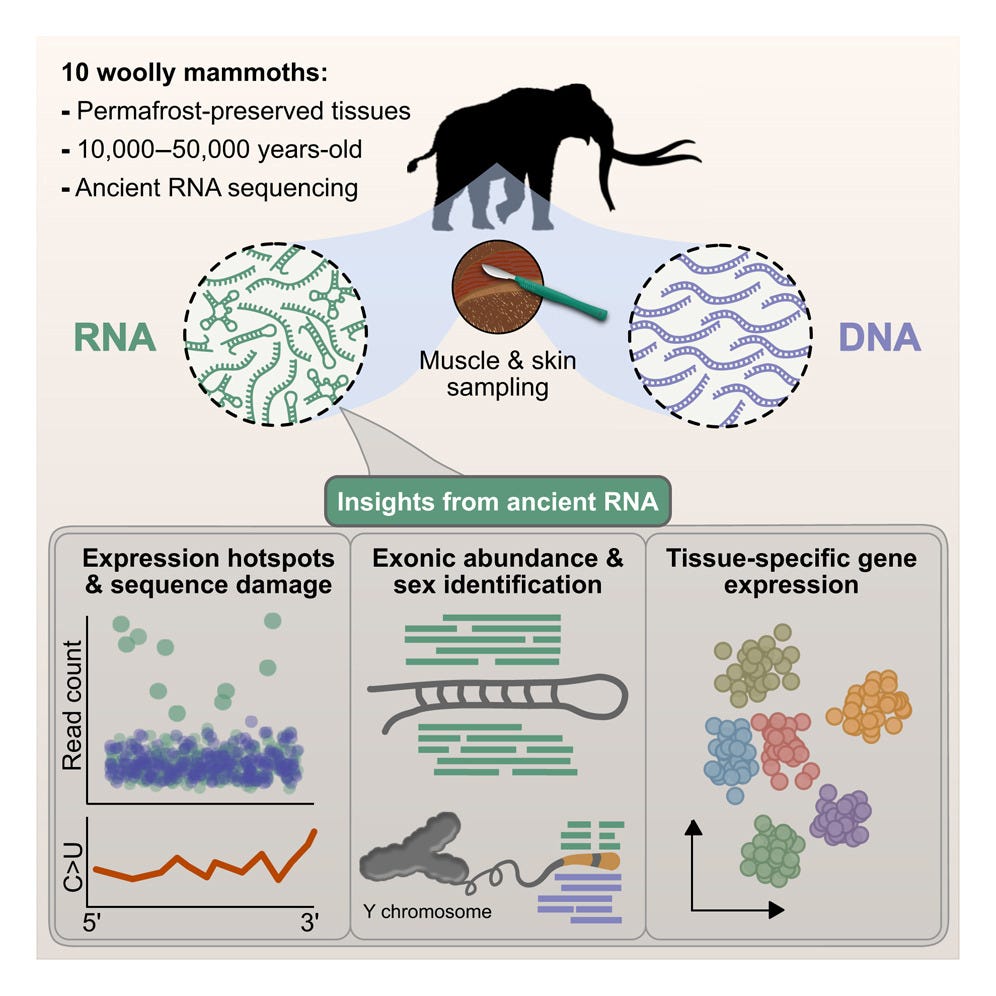
RNA is also famously fragile and was long assumed to degrade within hours. Finding usable RNA after 40 millennia resets scientists’ assumptions about what can survive deep time. The payoff is a view of mammoth physiology in action rather than just its gene sequence. The field can now ask not only what extinct animals were, but what they were doing.
The Bottleneck Was Never the Editing
CRISPR is excellent at editing genes once it reaches them, and historically terrible at reaching them. Part of the problem is logistical: the standard delivery vehicle, an adeno-associated virus, has limited internal room, and the popular CRISPR enzymes have been too bulky to fit alongside the instructions they need. Part of it is geographic: reaching the liver is relatively manageable, since the liver absorbs much of what passes through it, but reaching the brain, muscle, or lung precisely is the hard part, and most of the body is the hard part.
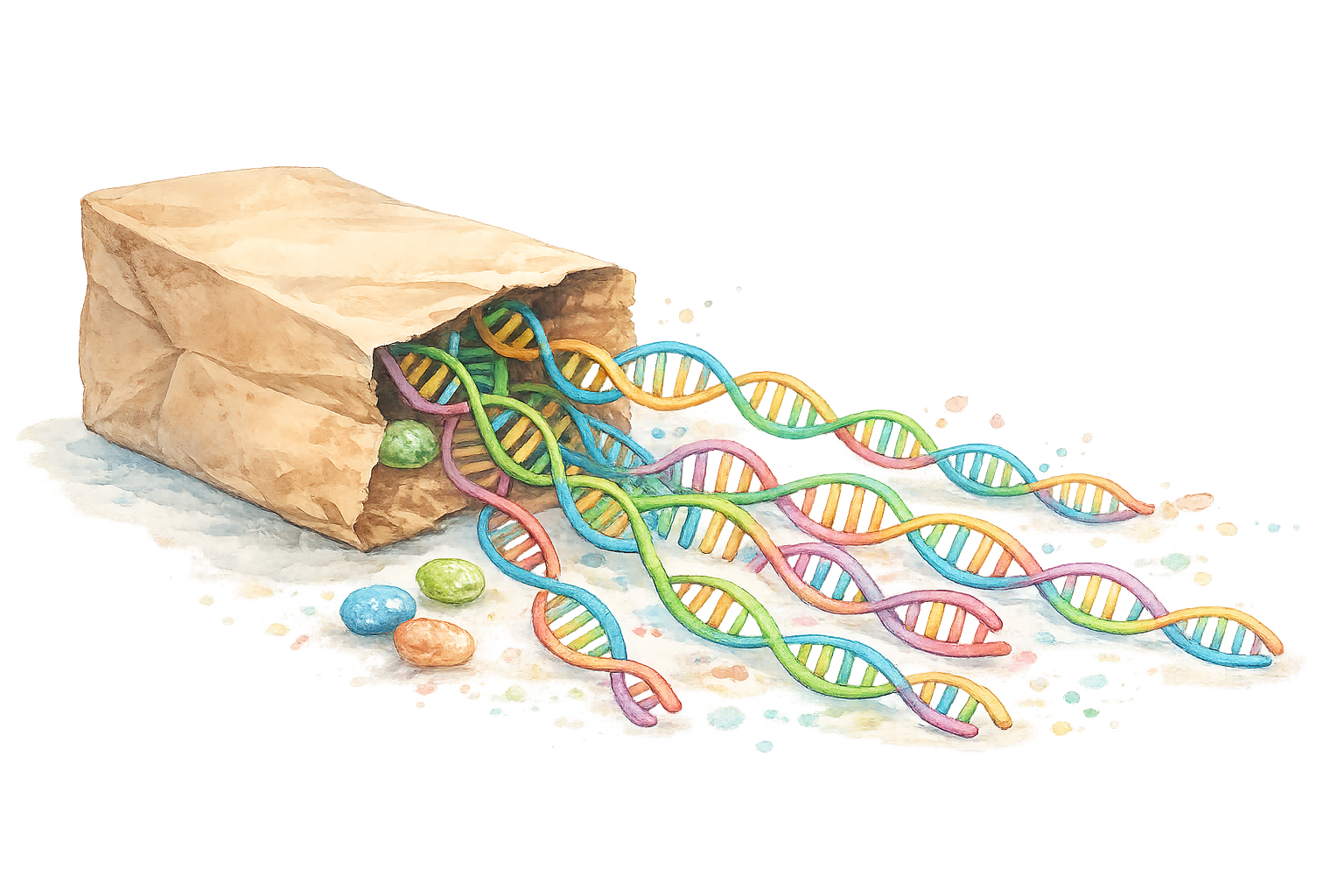
In April, an NIH-funded team reported a naturally compact enzyme, engineered for better performance, that fits the vehicle and edited human cells with up to 90 percent efficiency. Small enough to ship and accurate enough to be effective, it addresses the packaging side of the problem directly. The larger point is that a disease becomes treatable only once a therapy can reliably arrive at the tissue where the problem lives, so advances in delivery do not merely improve existing treatments, they expand the list of diseases worth attempting at all. When the gate widens, the entire opportunity behind it widens with it.
Drug Development Borrows the System-on-Chip Model
Designing a drug the old way is a single, enormous wager: a company spends a decade and a fortune on one molecule, and one late-stage trial either makes it or ends it.
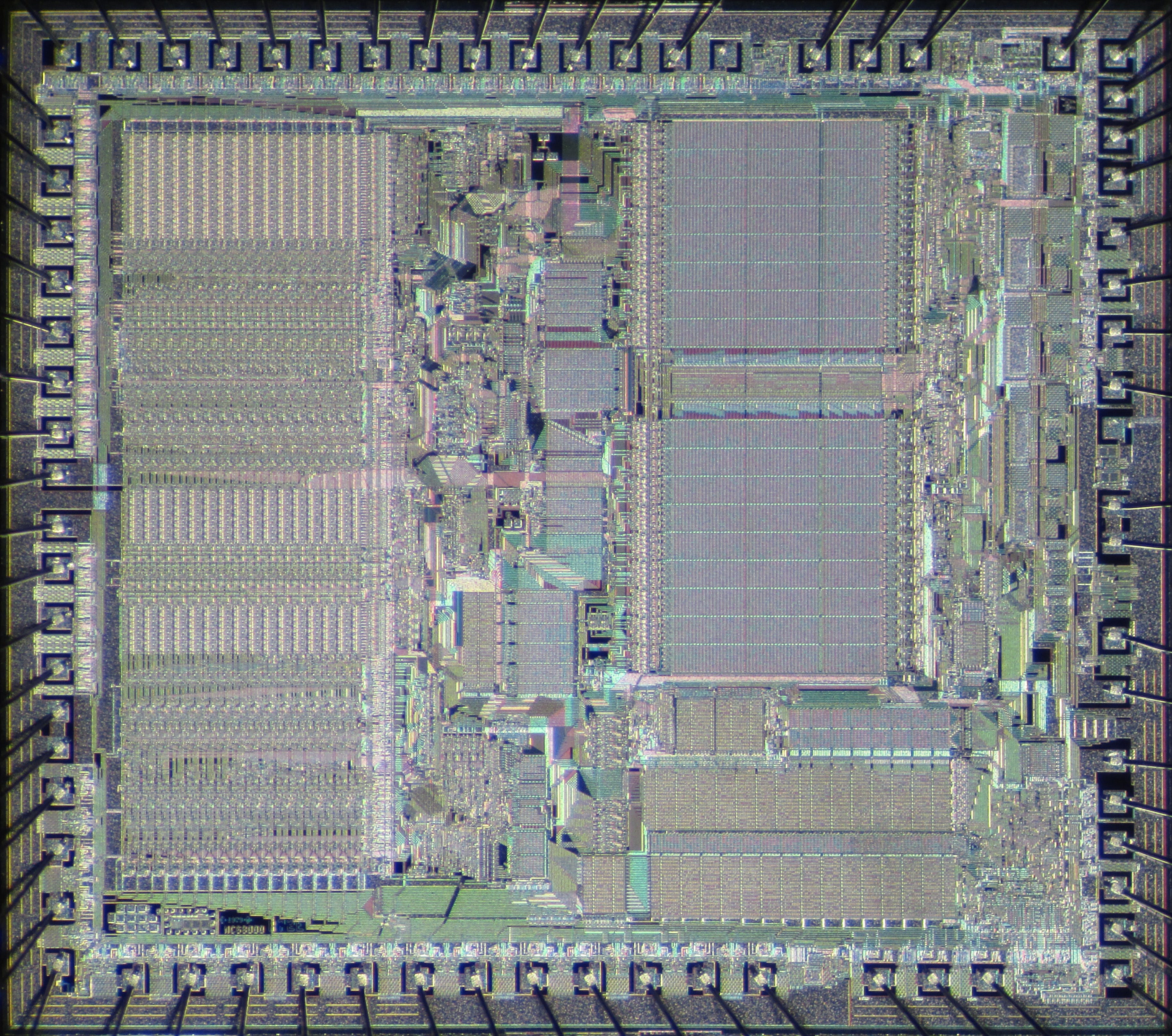
The chip industry abandoned that model long ago. A modern chip is not one invention but an assembly of separately designed pieces, a processor core from one company, a graphics core from another, a memory controller from a third, each licensed from the specialist that designed it. The company behind the processor core does not sell a finished chip at all; it licenses that one design into thousands of unrelated products and collects a fee on every unit shipped. One good core, designed once, earns its keep across the entire industry.
Biotech is now discovering the same value in cross-company specialization. Rather than betting everything on a single drug, a company can own one reusable component, such as a delivery system, a gene-editing chemistry, or a manufacturing method, and license it into many therapies built by many partners. The bet is no longer one molecule that works or does not; it is one technology that quietly shows up in everything.
J. Craig Venter, 1946 to 2026
J. Craig Venter died on April 29, 2026 at the age of 79. He spent his career as the scientist his peers found exasperating and indispensable in roughly equal measure. As the founder of Celera Genomics in 1998, he raced the publicly funded Human Genome Project to sequence human DNA, a contest settled in a diplomatic tie that he made sure looked like a win.

He then became the first person to sequence and publish his own individual genome. If you are going to decode a human you may as well make it autobiographical. In 2010 his team created the first self-replicating cell controlled by lab-synthesized DNA, proving that life could be written and not merely read. Lexi Ventures exists, in part, because of J. Craig Venter.
Connect
Thank you for your interest and support.

Another good one.